Why Foundation Waterproofing NJ Should Be Part of Home Maintenance
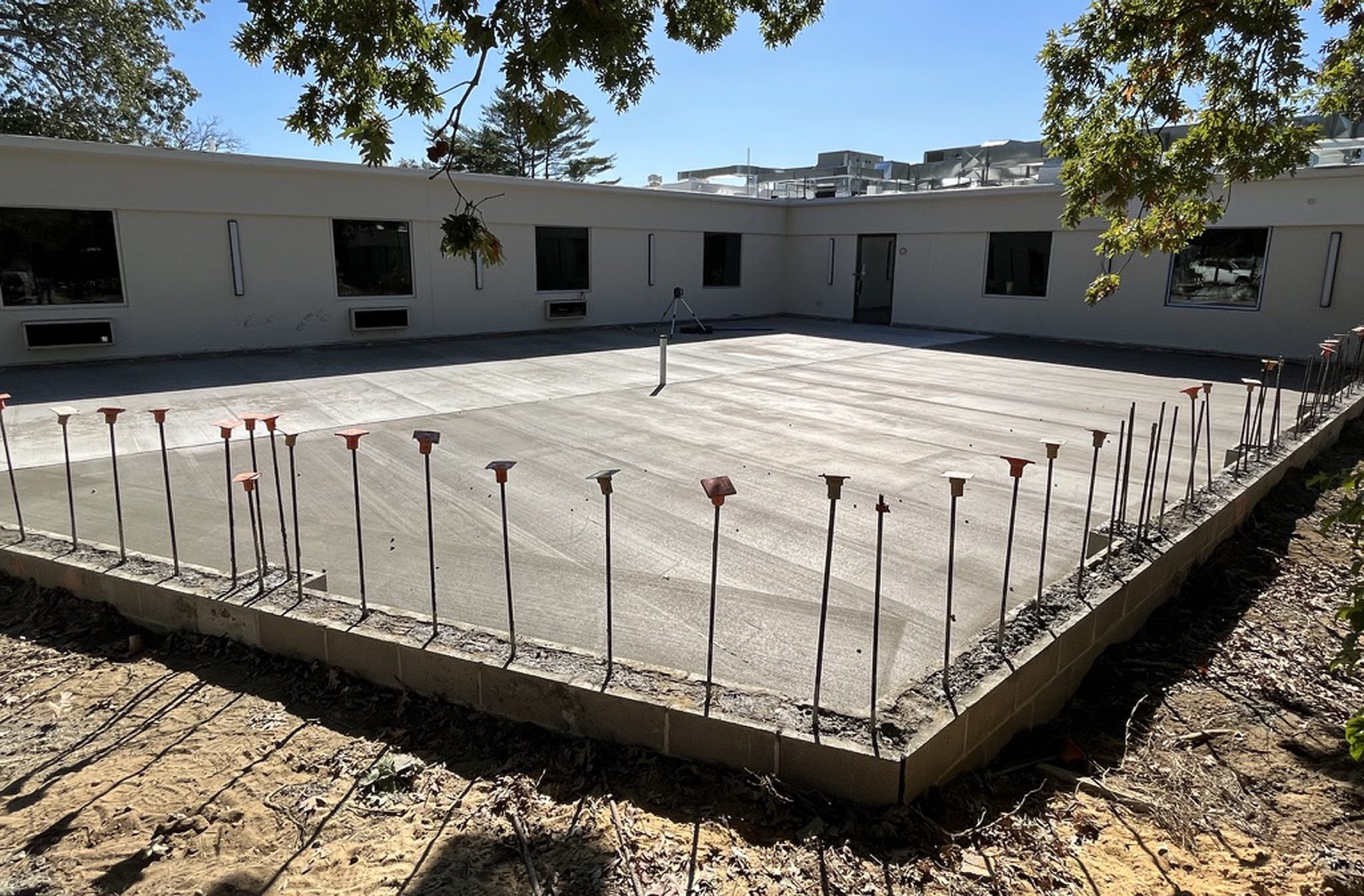

Most homeowners in New Jersey are diligent about the things they can see. They clean gutters in the fall, service the furnace before winter, patch peeling paint, and keep an eye on the roof after a storm. Those habits make sense. Visible problems are easier to understand, and they usually feel more urgent.
Foundation moisture works differently. It starts quietly, often below grade, behind finished walls, or along the base of a basement where people do not spend much time looking. By the time the issue is obvious, the repair is usually larger, more invasive, and more expensive than it needed to be. That is why Foundation Waterproofing NJ deserves to be treated as routine home maintenance, not as an emergency service you call after water is already on the floor.
In New Jersey, that distinction matters even more. The state has a mix of older housing stock, variable soil conditions, heavy seasonal rain, snowmelt, coastal moisture in some areas, and freeze-thaw cycles that can exploit weak points around a foundation. Add in finished basements, sump systems, window wells, footing drains, and aging masonry, and you have a part of the home that demands regular attention. Waterproofing is not just about keeping a basement dry for comfort. It is about preserving structure, air quality, energy efficiency, and long-term property value.
New Jersey homes face a particular kind of moisture pressure
A lot of homeowners think waterproofing only matters if they live in a flood-prone zone. That is too narrow a view. A house does not need to sit next to a river to develop basement seepage or chronic dampness. In many parts of New Jersey, ordinary weather patterns create enough water around a home to expose weaknesses.
After a long spring rain, for example, the soil around a foundation can become saturated. Saturated soil is heavy, and it presses against below-grade walls. Water naturally looks for the path of least resistance. It can move through hairline cracks, porous concrete, deteriorated mortar joints, cove joints where the wall meets the floor, and utility penetrations. Sometimes the leak is dramatic. More often, it shows up as a faint damp line, a chalky white deposit called efflorescence, peeling paint, musty air, or a carpet that never quite feels dry near an exterior wall.
New Jersey also has many neighborhoods with homes built decades ago, long before modern drainage details became standard. Older exterior waterproofing membranes may have broken down. Clay tiles and older drain systems can clog or collapse. Grading that was once correct may now slope the wrong way after years of settlement, landscaping changes, or hardscaping projects. I have seen homes where the issue was not a failed wall at all, but a patio installed an inch too high or a downspout that quietly dumped water next to the foundation for years.
That is why waterproofing should not be filed mentally under catastrophe planning. It belongs in the same category as roof inspections and HVAC tune-ups: a preventive practice that protects the whole building.
Water rarely stays a small problem
One of the hardest parts about foundation moisture is that homeowners often normalize the early signs. A little dampness in a basement can seem harmless, especially if the space is unfinished. People tell themselves it only happens during a big storm, or only in one corner, or only in spring. But water has a way of widening the scope of damage.
Concrete and masonry are durable, but they are not immune to repeated moisture exposure. Water can carry dissolved minerals through foundation walls and leave behind deposits that signal movement through the material. Wood framing near basement walls can absorb moisture. Metal fasteners can corrode. Insulation can lose effectiveness. If the basement is finished, drywall, flooring, trim, and stored belongings are all at risk.
Then there is the indoor air issue. A damp basement affects more than the basement. Air moves through a house, and moisture-related odors and contaminants move with it. In homes with chronic humidity below grade, occupants often notice a musty smell upstairs long before they understand where it starts. In some cases, the house feels harder to cool in summer because humid air makes the entire building less comfortable.
Homeowners are sometimes surprised to learn how often small moisture problems lead to big renovation bills. Replacing a section of damaged drywall is one thing. Tearing out a finished lower level, remediating mold, replacing flooring, and correcting the water source afterward is another. The expensive part is often not the waterproofing itself, but the collateral damage from waiting too long.
Waterproofing is maintenance, not just repair
People hear the word waterproofing and imagine a one-time major job, usually associated with excavation. Exterior work does have an important place, especially when a foundation wall has active infiltration, failed membrane protection, or drainage problems on the outside. But foundation waterproofing, especially in a maintenance mindset, includes a wider range of inspection and correction measures.
A healthy waterproofing strategy starts with simple questions. Is water being directed away from the home properly? Are gutters overflowing? Are downspouts discharging too close to the wall? Has the soil settled near the foundation so runoff now flows inward instead of away? Are there cracks that have changed over time? Is the sump pump cycling normally? Is the basement humidity consistently high, even when there is no visible standing water?
Those are maintenance questions. They are no different in spirit from checking a roof flashing or a plumbing shutoff valve. The goal is to identify weak points before they escalate. In practice, many foundation problems can be reduced significantly by correcting exterior drainage, extending discharge points, improving grading, sealing select penetrations, servicing sump components, and controlling interior humidity. When those basic measures are ignored, homeowners often end up paying for more invasive work later.
A practical maintenance approach also helps homeowners avoid the opposite mistake, which is throwing the wrong fix at the problem. Not every damp basement needs a full perimeter system. Not every crack is structural. Not every dehumidifier solves a water entry issue. Good waterproofing work depends on diagnosis, and diagnosis is easier when the problem is caught early.
What routine attention should look like
Foundation care does not need to become a monthly obsession. It does need to become part of the regular cycle of home ownership. In New Jersey, I usually think in terms of seasons. Spring and fall are the best times to look closely, because they come after heavy moisture events and before weather shifts put new stress on the building envelope.
A homeowner can do a useful first-pass inspection without specialized tools. Walk the perimeter after a hard rain and look for standing water, eroded mulch beds, or splashback near foundation walls. Check whether soil still slopes away from the house. Look inside at the base of walls, especially in unfinished corners, around windows, and near utility lines. Smell matters too. A basement that smells persistently musty is telling you something, even if the floor looks dry.
The point is not to become your own waterproofing contractor. It is to notice patterns. If a basement corner is always slightly cooler and damper than the rest, that pattern is worth tracking. If a crack grows, that matters. If the sump pump only runs during storms but suddenly starts cycling more frequently in ordinary weather, that change deserves attention.
When homeowners make this kind of observation part of seasonal maintenance, they gain timing. Timing is everything in waterproofing. Small corrections done early are usually less disruptive and more affordable than crisis repairs done after a failure.
The hidden costs of postponing Foundation Waterproofing NJ
The price of delay is not always obvious at first because moisture damage tends to accumulate in layers. A homeowner may only see one symptom while several others are already underway. That is why postponement often feels financially rational right up until it becomes expensive.
Consider a finished basement in a typical New Jersey suburban home. The first visible issue might be minor staining along one wall after a week of rain. The owner wipes it up, perhaps runs a fan, and moves on. Over the next year, the same area remains slightly damp, and relative humidity in the basement stays elevated. Stored cardboard boxes soften. Baseboard trim swells. A section of laminate flooring begins to cup. The smell gets stronger during humid summer weeks. Later, one heavy storm pushes enough water in to damage the lower portion of drywall. Now the owner is not just paying for waterproofing. They are paying for demolition, disposal, drying, replacement materials, and often temporary inconvenience to the household.
There is also a resale dimension. Moisture issues raise red flags quickly during inspections. Even if a leak has not caused severe damage yet, signs of water entry can affect negotiations, delay a sale, or invite broad concerns about structural integrity. Buyers may assume the worst because water problems are notoriously difficult to judge from a short viewing. A dry, well-maintained basement creates confidence. A damp one does the opposite.
Insurance adds another layer of complexity. Many homeowners assume any water-related basement damage will be covered. In practice, coverage can be limited and highly specific. Water entering due to deferred maintenance is often treated very differently from sudden accidental discharge from an interior plumbing line. Relying on insurance as a backup plan is risky.
Not every solution belongs inside the basement
One common mistake in this field is focusing only on what happens inside. If water is showing up indoors, the instinct is to buy a stronger dehumidifier, paint over the wall, seal the crack from the interior only, or install shelving to keep belongings off the floor. Those actions may help manage symptoms, but they do not necessarily reduce the water burden outside the foundation.
The best waterproofing strategies usually start by managing water before it reaches the wall in the first place. Roof runoff should move well away from the house. Hardscape should not trap water against the foundation. Planting beds should not be built up to hide negative grading. Sprinkler systems should not repeatedly saturate one side of the home. In some cases, seemingly minor landscape features create major trouble. A decorative stone border that blocks runoff, for instance, can turn a manageable slope into a collection point.
That exterior-first mindset is especially important in New Jersey because lots vary so much. One property may be nearly level and hold water after every storm. Another may sit on a hill and collect runoff from neighboring parcels. A townhouse may have limited side-yard access and concentrated drainage challenges. A shore-area property may deal with elevated moisture levels even without obvious leaks. There is no universal fix, which is another reason Foundation Waterproofing NJ should be treated as ongoing maintenance. The house and site need to be understood together.
The difference between dampness, seepage, and structural concern
Homeowners often struggle to interpret what they are seeing, and that uncertainty leads to procrastination. If the wall is only damp, is it really a problem? If there is a crack, does it mean the foundation is failing? The answer depends on pattern, location, width, and context.
A little condensation on a cold pipe is not the same as lateral seepage through a wall. A stable hairline shrinkage crack in poured concrete is not the same as a widening horizontal crack in a block foundation. Efflorescence by itself is not structural damage, but it does indicate moisture movement. Peeling paint on a basement wall may reflect trapped vapor, past leakage, or both.
That is why experience matters. Good assessment looks beyond the symptom and asks how water is entering, how often, under what weather conditions, and whether there are signs of movement or pressure. In my experience, homeowners get into the most trouble when they self-diagnose based on internet photos and choose the cheapest cosmetic fix. Waterproof coatings have a role in certain situations, but coating over an active water Foundation Waterproofing NJ ardwaterproofing.com path without addressing drainage is usually short-lived. It is similar to repainting a ceiling stain without fixing the roof leak above it.
Signs that should not be ignored
Some warning signs are subtle, but a few deserve prompt attention because they suggest a larger moisture burden or a developing foundation problem.
- Musty odor that persists even during dry weather
- White mineral deposits on masonry or concrete
- Water stains, bubbling paint, or warped trim at the base of basement walls
- Cracks that appear to widen, especially if doors or windows nearby start sticking
- A sump pump that runs frequently, cycles oddly, or fails during storms
None of these automatically means major structural damage. They do mean the house is giving you evidence, and evidence is easiest to act on before deterioration spreads.
Why seasonal weather makes New Jersey waterproofing different
New Jersey is not a one-season moisture state. Homes here get tested in different ways throughout the year. Winter brings freeze-thaw stress, ice, and occasional snowmelt that can saturate soil around a foundation when temperatures rise. Spring often delivers prolonged rain and high groundwater conditions. Summer adds humidity, which can turn a merely cool basement into a clammy one, even without active leaks. Fall fills gutters, clogs drains, and sets up winter drainage problems if maintenance is skipped.
That variety matters because some homes look perfectly fine for part of the year. A basement may stay dry through an ordinary summer and then seep during the first spring thaw. Another may only show signs after back-to-back storms saturate the ground. Homeowners who judge the condition of their foundation based on one dry season can get a false sense of security.
The better approach is to think in terms of performance over time. How did the basement behave after the wettest week of the year? After snowmelt? After a tropical system passed through? If the answer changes from season to season, that variation is useful diagnostic information. Waterproofing decisions are stronger when they are based on those patterns.
What a smart maintenance plan usually includes
For most homeowners, the goal is not perfection. It is control. A sound maintenance plan reduces water load, catches wear early, and keeps the foundation environment stable enough that minor issues do not become major ones.
- Inspect gutters, downspouts, grading, and basement wall conditions at least twice a year
- Extend roof runoff away from the house and correct any spots where water ponds near the foundation
- Test sump pumps and backup systems before peak storm seasons
- Monitor humidity in the basement, especially in finished spaces
- Have new cracks, recurring dampness, or persistent odors evaluated before remodeling or refinishing below-grade areas
This kind of plan is not glamorous, but it is practical. It also tends to save money because it aligns repairs with actual conditions rather than emergency timing.
Finished basements raise the stakes
Many New Jersey homeowners want more usable square footage, and a finished basement is often the most efficient way to get it. The problem is that cosmetic finishing can hide the very signals that would otherwise alert you to water intrusion. Insulation, framing, flooring, and wall coverings make a basement comfortable, but they also create cavities where moisture can linger unnoticed.
I have seen lower levels that looked excellent on the surface while the backside of drywall was stained and the bottom plates behind it had already absorbed moisture. The homeowner only discovered the problem when a trim piece loosened or a section of flooring buckled. By then, the fix involved tearing open a finished space that had cost far more to build than it would have cost to protect properly at the start.
That is one reason a waterproofing review should happen before a basement renovation, not after. If you are investing in flooring, walls, electrical work, and furniture, it makes little sense to leave the moisture side of the equation unexamined. Foundation Waterproofing NJ is especially relevant at this stage because climate, grading, age of construction, and local drainage conditions all influence what level of protection is appropriate.
Choosing judgment over quick promises
Homeowners are often vulnerable to oversimplified sales pitches in this area because water problems create anxiety. One contractor says every crack is structural. Another says a coat of sealant solves everything. The truth usually lives in the middle. A reliable solution starts with identifying the source, understanding the site, and choosing the least invasive approach that will actually perform over time.
Sometimes that means exterior excavation and membrane replacement. Sometimes it means an interior drainage system and sump improvement because exterior access is limited. Sometimes it means regrading, gutter corrections, and targeted crack repair. And sometimes it means all of the above in combination. What matters is not whether the fix sounds impressive. What matters is whether it addresses the water pathway honestly.
That is why maintenance thinking is so valuable. It shifts the homeowner’s mindset from panic to stewardship. Instead of waiting for a soaked carpet or a failed wall coating, you track conditions, correct drainage, service equipment, and investigate warning signs early. The work becomes part of owning a house responsibly, especially in a state where weather and soil repeatedly test the lower structure.
A foundation does not ask for much attention until it does. When that day comes, the homeowners who treated waterproofing as maintenance are usually the ones with smaller repairs, fewer surprises, and houses that age better from the ground up.
ARD Waterproofing
Address: 98 Smull Ave, West Caldwell, NJ 07006
Phone number: +12016465936
FAQ About Foundation Waterproofing NJ
What is the best way to waterproof a foundation?
The best way to waterproof a foundation is from the exterior, combining a continuous elastomeric or rubberized membrane, a drainage mat, and a perforated perimeter drain (French drain) to intercept water before it ever touches the wall.
What is the average cost to waterproof a foundation?
The average cost to waterproof a foundation ranges from $1,886 to $5,946 nationally, though full-scale projects can run anywhere from $5,000 to $25,000+ depending on whether you choose interior or exterior methods.
How can I make my foundation waterproof?
True exterior foundation waterproofing stops water before it touches your concrete or masonry. It differs from basic damp-proofing, which only keeps out moisture vapor rather than standing water or hydrostatic pressure.