Foundation Waterproofing NJ for Concrete Foundations Explained
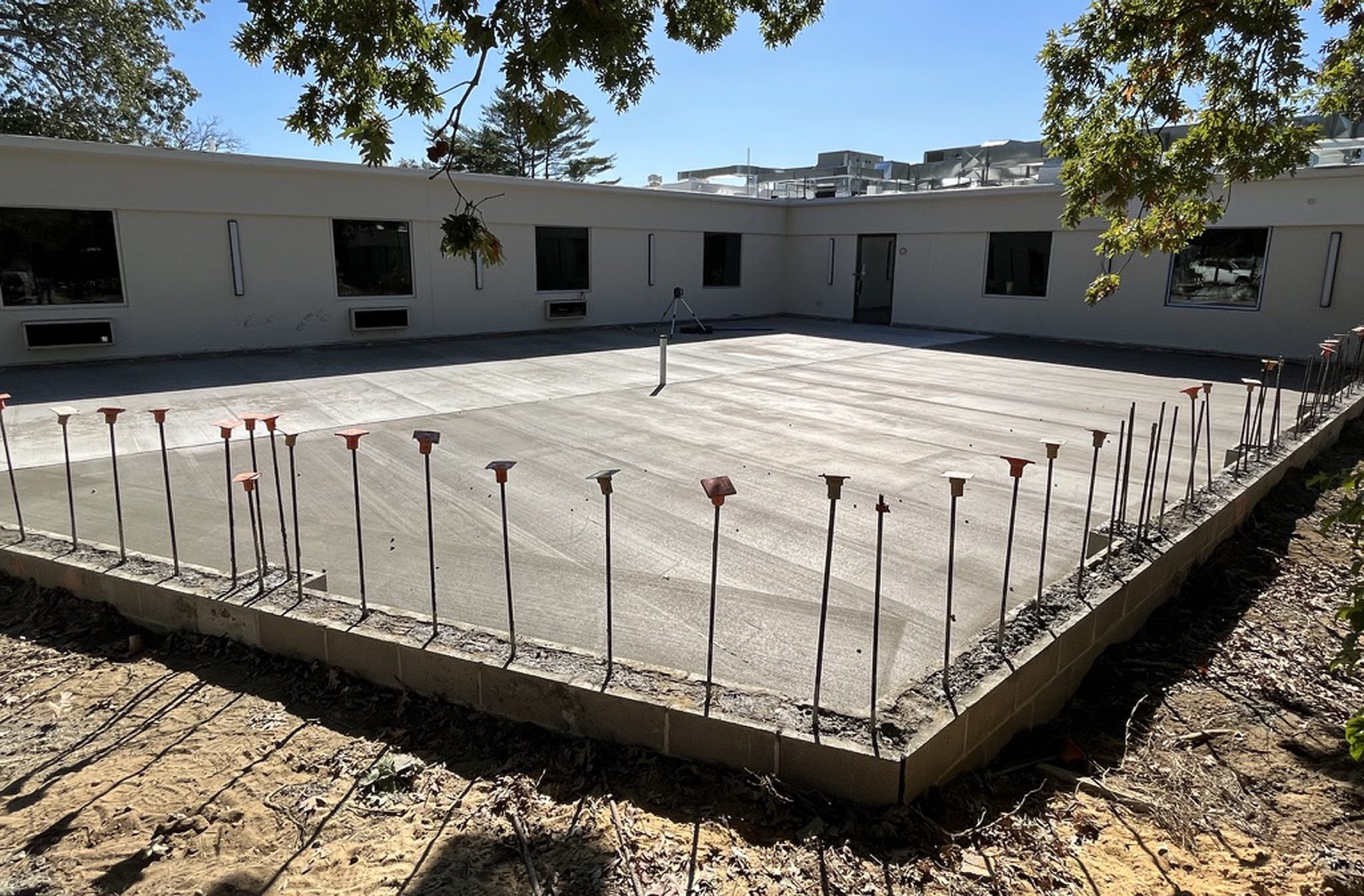
Concrete foundations look solid, permanent, and nearly indestructible from the outside. Anyone who has spent time in basements across New Jersey knows that appearance can be misleading. Concrete is strong in compression, but it is not naturally waterproof. It can wick moisture, crack under movement, and allow water vapor or liquid water to pass when pressure builds outside the wall. That distinction matters because many homeowners assume a poured concrete wall should keep all moisture out on its own. In practice, it rarely works that way for long.
Foundation Waterproofing NJ projects tend to be more nuanced than people expect. The state has a mix of older housing stock, dense suburban development, freeze and thaw cycles, heavy seasonal rain, and plenty of clay-rich or slow-draining soils. Add finished basements, high water tables in some areas, and roof drainage that is often undersized or poorly maintained, and a small weakness in a foundation wall quickly turns into a damp basement, moldy smell, or actual seepage after storms.
The good news is that concrete foundations are usually very repairable when the problem is diagnosed correctly. The less comforting truth is that many waterproofing failures come from treating the symptom instead of the source. Paints get rolled on interior walls, a dehumidifier gets plugged in, maybe a crack gets patched from the inside, but exterior pressure, poor grading, or drainage failure remain untouched. Water almost always wins that argument.
Why concrete foundations take on water
Concrete is not a single uniform block the way many people imagine it. Even a well-poured wall contains tiny capillaries, pores, and cold joints. If the wall cracks, those pathways become more direct. If the footing drain clogs or the soil outside saturates, hydrostatic pressure pushes water toward the wall. That is often when homeowners first notice the problem, after a multi-day rain, a spring thaw, or a storm that dumps several inches in a short period.
Poured concrete foundations and concrete block foundations behave differently, though both can leak. Poured walls often seep through cracks, tie holes, wall-to-floor joints, or porous sections. Block walls add another complication because water can fill the hollow cores and travel laterally before showing up indoors. Since your topic is concrete foundations broadly, it is worth noting that the waterproofing strategy has to match the type of wall, the age of the home, and the actual failure point.
In New Jersey, I often see four conditions combine into one basement problem. Surface water runs toward the home because grading settled over time. Downspouts discharge too close to the foundation. Exterior foundation coating from the original build has degraded or was minimal to begin with. Then the perimeter drain either never worked well or has silted in. Any one of those might be manageable by itself. Together, they create wet walls, seepage at the cove joint, or persistent dampness that keeps relative humidity high enough for mold growth.
Waterproofing is not the same as dampproofing
This is one of the biggest points of confusion for homeowners. Dampproofing is the minimal coating often applied during construction, usually a thin asphalt-based spray or brush-on layer intended to resist soil moisture. Waterproofing is a stronger system designed to block water under pressure. Those are not interchangeable terms, and the difference becomes very important when a basement is below grade and exposed to saturated soil.
A foundation can be code-compliant for the era in which it was built and still perform poorly by modern expectations. Many older homes in New Jersey were built before homeowners expected a basement to function like conditioned living space. If the original goal was simply to keep bulk water down to a manageable level, not to create a dry lower level for finished rooms, offices, gyms, or storage, the foundation details may fall short today.
Real waterproofing typically involves a combination of exterior membrane protection, drainage board or protection board, footing drainage, proper backfill management, and careful control of roof and surface runoff. Interior systems can help manage water that has already reached the foundation, but they do not stop the wall from getting wet in the first place. That is why the phrase “best solution” has to be tied to the actual site conditions, not to whichever product a contractor happens to sell.
The New Jersey conditions that change the equation
Foundation Waterproofing NJ is not a one-size-fits-all service because site conditions shift dramatically from one county to the next, and even from one street to another. Coastal influence, local topography, fill soils, mature tree roots, and development patterns all affect how water behaves around a house.
North Jersey homes built into slopes often collect runoff from uphill grades. Central Jersey properties may deal with mixed soils and dense suburban drainage patterns where neighboring lots influence one another. South Jersey can present sandy soils in some areas, which drain quickly, but that does not automatically eliminate Foundation Waterproofing NJ basement water problems. Where the water table is high, quick-draining soil can still mean persistent groundwater pressure at foundation level.
Freeze and thaw cycles add another layer of stress. Minor cracks open and close. Soil expands when wet and contracts when dry. Walkways and patios settle toward the house. A basement that stayed mostly dry for years can start leaking after one exterior change, such as a replaced driveway, a new gutter layout, or a regraded yard that subtly redirected runoff.
What a good diagnosis looks like
Before anyone talks about membranes, pumps, or crack injection, the house needs a real water entry assessment. That means looking beyond the obvious wet spot.
A solid inspection usually includes the exterior first. The slope of the soil around the house matters more than many people realize. If the first several feet around the foundation pitch inward or sit nearly flat, water lingers where it should not. Gutters need to be checked for overflow marks, pitch problems, and blockages. Downspouts should discharge well away from the house, not just at the corner or into a splash block that dumps water right back into the backfill zone.
Inside, the pattern of moisture tells a story. Water staining high on the wall points to different issues than seepage at the floor joint. Efflorescence, that white powdery residue left behind by migrating moisture, often signals chronic movement through masonry or concrete. A single vertical crack may be a straightforward repair. Multiple stair-step cracks, wall bowing, or slab movement can point toward structural issues that need to be separated from pure waterproofing work.
The timing of the leak is also revealing. If seepage appears only after heavy extended rain, exterior saturation is likely a major factor. If moisture persists in dry weather, plumbing, condensation, or groundwater may be involved. If the basement smells musty year-round but rarely shows standing water, vapor transmission and humidity control may be as important as visible leaks.
Exterior waterproofing, when it is the right answer
For many concrete foundations, exterior waterproofing is the most complete approach because it deals with water before it enters. It usually involves excavation down to the footing, cleaning the wall, repairing cracks or honeycombed areas, applying a true waterproof membrane, installing drainage board or protective material, and restoring or replacing footing drains as needed. The wall-to-footing transition gets special attention because that joint is a common leak path.
This is disruptive work. There is no point pretending otherwise. Excavation can affect landscaping, walkways, decks, porches, and access. On tight New Jersey lots, the logistics get complicated quickly. But when hydrostatic pressure is the central problem, exterior work often gives the most durable result because it relieves pressure and protects the wall assembly itself.
The best exterior jobs do not stop at the wall coating. They integrate drainage. A membrane without a functioning path for water to move down and away can still be overwhelmed over time. Likewise, a perforated footing drain without filter fabric or proper stone can clog. The system works when each piece supports the next.
Homeowners sometimes ask whether exterior waterproofing is overkill for a single crack. Sometimes it is. If the problem is isolated and the rest of the foundation is dry, a targeted structural crack repair may be enough. But if water is entering at multiple points, or the foundation sits in persistently wet soil, spot repairs can become a cycle of recurring expenses.
Interior waterproofing, what it can and cannot do
Interior systems have a place, and in some homes they are the practical answer. If excavation is blocked by property lines, hardscape, additions, or cost constraints, interior drainage can capture water at the perimeter and direct it to a sump basin before it reaches the basement floor. That approach does not keep the outside of the wall dry, but it can keep the interior usable and protect finishes.
An interior perimeter drain is usually installed by opening the slab at the foundation edge, placing a drainage channel or perforated pipe in stone, and leading collected water to a sump pump. The wall may be paired with a drainage mat or vapor barrier to guide moisture downward. For active floor-joint seepage, this can work very well.
What interior waterproofing cannot honestly claim is that it stops exterior water from contacting the foundation wall. That distinction matters because long-term exposure to moisture can still affect air quality, basement odor, and in some cases wall condition. For unfinished utility basements, interior control may be sufficient. For fully finished lower levels where the owner wants a truly dry envelope, exterior treatment may still be the stronger option.
Crack repair in concrete foundations
Not all cracks are equal, and this is where experience matters. A hairline shrinkage crack in a poured wall is common. A crack that widens, offsets, or leaks repeatedly despite previous patching deserves a closer look. Many poured concrete wall cracks can be repaired with polyurethane injection or epoxy injection, but the material choice depends on the crack behavior.
Polyurethane is often used for active water infiltration because it expands and can seal wet cracks effectively. Epoxy is more structural, bonding the concrete across the crack, but it is usually better suited to dry, stable conditions. If the wall is moving due to settlement or lateral pressure, injection alone may not be enough.
The mistake I see often is cosmetic patching. Cementitious smear coats and hardware store sealants might hide the crack for a season, but they rarely solve pressurized water entry. If the crack is accessible from the exterior during excavation, that is often the best time to repair it comprehensively and tie it into the waterproofing membrane.
Sump pumps, drainage, and the parts people forget
A lot of waterproofing systems succeed or fail based on the secondary components, not just the membrane or drain tile. Sump pumps are a good example. A well-designed interior or exterior drainage system still depends on reliable discharge. If the pump is undersized, the check valve fails, or the discharge line freezes, the system can back up exactly when it is needed most.
The same goes for gutter and downspout work. It is hard to justify expensive foundation repairs while leaving roof runoff dumping next to the house. I have seen basements improve dramatically simply by correcting overflow, extending discharge lines, and restoring positive grade. That does not mean every leak is a gutter problem, but roof water is low-hanging fruit that should never be ignored.
Here are the components most often missed during waterproofing discussions:
- Downspout discharge location
- Surface grading within the first 6 to 10 feet
- Sump pump backup power
- Window well drainage
- Proper sealing around utility penetrations
Each of those can turn a decent waterproofing job into a frustrating callback if left unresolved.
Costs, expectations, and what drives the price
Homeowners naturally want a number early, but waterproofing costs vary widely because the work can range from a simple crack injection to full-perimeter excavation with drainage replacement. Access is often the biggest cost driver in New Jersey. Tight side yards, fences, patios, mature landscaping, and attached structures all slow excavation and increase labor.
Foundation depth matters too. A shallow older basement is different from a deeper modern full basement. Soil conditions matter. So does disposal. If hardscape has to be removed and rebuilt, the price climbs quickly. Interior systems are often less expensive up front than exterior excavation, but they solve a different problem. Comparing them only by price misses the larger question of what level of protection the house actually needs.
Rather than focus on a statewide average that may not fit your property, it is better to think in tiers. A localized repair might be in the lower range. A full sidewall exterior waterproofing job rises significantly. Full-perimeter excavation and drainage replacement can become a major project, especially when site restoration is included. The right estimate should explain exactly what is being repaired, what is not, and why.
Warning signs that should not be brushed off
Some symptoms are more than nuisance moisture. They can signal growing water pressure, hidden mold conditions, or structural concerns that become costlier over time.
Pay close attention to these signs:
- Water entering where the wall meets the floor
- Efflorescence that keeps returning after cleaning
- Peeling paint or blistering wall coatings
- A musty odor that persists through dry weather
- Horizontal cracking or inward wall movement
That last item is especially important. Waterproofing and structural stabilization sometimes overlap, but they are not the same service. A wall that is bowing or shearing may need engineering review or reinforcement before any waterproofing plan is finalized.
How to choose a contractor without getting sold the wrong system
This industry has excellent specialists and also plenty of sales-driven operations. The challenge for homeowners is that both can sound confident at the kitchen table. A good contractor should be able to explain water movement around your foundation in plain language, identify the entry pathway, and justify why the proposed method fits the site.
If someone recommends interior drainage without walking the exterior, that is a red flag. If another contractor insists on full excavation without discussing runoff control, that also deserves skepticism. The right answer often includes exterior and interior observations, moisture pattern interpretation, and honest discussion of limitations.
Ask how crack repairs are handled, whether drainage is being replaced or simply assumed to be functional, how discharge is managed, and what restoration is included. Get clear language on warranty scope. A warranty tied to one failure point is not the same as a comprehensive waterproofing warranty, and even strong warranties are only as useful as the company standing behind them.
Waterproofing during new construction versus retrofit work
New construction offers advantages that retrofit waterproofing simply does not. The wall is exposed, access is easy, and modern membrane and drainage systems can be installed before backfill. If a homeowner or builder cuts corners at that stage, the savings are often temporary. Repairing a buried problem after landscaping, hardscaping, and occupancy is far more expensive.
Retrofit work on existing homes is inherently more selective. You may excavate one wall, two walls, or the full perimeter depending on symptoms and access. That is why diagnostics matter so much. A basement does not always need a full reset. But when multiple sides show signs of saturation and the site sheds water poorly, piecemeal work can become false economy.
Maintenance after the repair
Even a properly waterproofed foundation benefits from simple maintenance. Houses move, soils settle, and drainage components age. The goal is not perfection forever. The goal is a system that performs well and gets monitored before minor issues become major ones.
Gutters should be cleaned regularly. Downspout extensions should stay connected and clear. The grade around the house should be checked after major landscape changes. Sump pumps should be tested, especially before storm season. If the basement has been finished, keep an eye on baseboards, flooring edges, and wall corners for subtle signs of moisture rather than waiting for obvious puddling.
That routine attention is especially important in New Jersey because weather swings can be abrupt. A dry stretch can hide a weak drainage system until the next prolonged rain exposes it again.
The practical bottom line for homeowners
Foundation Waterproofing NJ is really about managing water pressure, drainage, and concrete vulnerabilities as one system. Concrete foundations do not fail only because they crack. They fail because water is allowed to collect, push, and persist. The right waterproofing plan starts with where the water comes from, how it moves, and where it enters, not with a product pitch.
For some homes, the smartest fix is straightforward: improve grading, extend downspouts, repair a crack, and monitor. For others, especially those with chronic seepage, saturated backfill, or repeated basement use issues, serious exterior waterproofing is worth the disruption and expense. Interior drainage systems have a legitimate role too, particularly where excavation is impractical or where floor-joint seepage is the main problem.
What matters most is matching the repair to the cause. When that happens, concrete foundations can stay dry and serviceable for decades. When it does not, homeowners end up paying multiple times for partial solutions that never really changed the conditions outside the wall. That is the difference between a basement that merely looks better and one that actually performs the way it should.
ARD Waterproofing
Address: 98 Smull Ave, West Caldwell, NJ 07006
Phone number: +12016465936
FAQ About Foundation Waterproofing NJ
What is the best way to waterproof a foundation?
The best way to waterproof a foundation is from the exterior, combining a continuous elastomeric or rubberized membrane, a drainage mat, and a perforated perimeter drain (French drain) to intercept water before it ever touches the wall.
What is the average cost to waterproof a foundation?
The average cost to waterproof a foundation ranges from $1,886 to $5,946 nationally, though full-scale projects can run anywhere from $5,000 to $25,000+ depending on whether you choose interior or exterior methods.
How can I make my foundation waterproof?
True exterior foundation waterproofing stops water before it touches your concrete or masonry. It differs from basic damp-proofing, which only keeps out moisture vapor rather than standing water or hydrostatic pressure.